Guillain–Barré syndrome (GBS) is a rapid-onset muscle weakness caused by the immune system damaging the peripheral nervous system.[2] Typically, both sides of the body are involved, and the initial symptoms are changes in sensation or pain often in the back along with muscle weakness, beginning in the feet and hands, often spreading to the arms and upper body.[2] The symptoms may develop over hours to a few weeks.[2] During the acute phase, the disorder can be life-threatening, with about 15% of people developing weakness of the breathing muscles and, therefore, requiring mechanical ventilation.[1] Some are affected by changes in the function of the autonomic nervous system, which can lead to dangerous abnormalities in heart rate and blood pressure.[2]
Although the cause is unknown, the underlying mechanism involves an autoimmune disorder in which the body's immune system mistakenly attacks the peripheral nerves and damages their myelin insulation.[2] Sometimes this immune dysfunction is triggered by an infection or, less commonly, by surgery, and rarely, by vaccination.[1][2] The diagnosis is usually based on the signs and symptoms through the exclusion of alternative causes and supported by tests such as nerve conduction studies and examination of the cerebrospinal fluid.[2] There are a number of subtypes based on the areas of weakness, results of nerve conduction studies, and the presence of certain antibodies.[4] It is classified as an acute polyneuropathy.[1]
In those with severe weakness, prompt treatment with intravenous immunoglobulins or plasmapheresis, together with supportive care, will lead to good recovery in the majority of cases.[2] Recovery may take weeks to years, with about a third having some permanent weakness.[2] Globally, death occurs in approximately 7.5% of those affected.[1] Guillain–Barré syndrome is rare, at 1 or 2 cases per 100,000 people every year.[2][3] Both sexes and all parts of the world have similar rates of disease.[1][2]
The syndrome is named after the French neurologists Georges Guillain and Jean Alexandre Barré, who, together with French physician André Strohl, described the condition in 1916.[5][6]
Signs and symptoms
Causes
Mechanism
Diagnosis
The diagnosis of Guillain–Barré syndrome depends on findings such as rapid development of muscle paralysis, absent reflexes, absence of fever, and absence of a likely cause. Cerebrospinal fluid analysis (through a lumbar spinal puncture) and nerve conduction studies are supportive investigations commonly performed in the diagnosis of GBS.[4][6][8] Testing for antiganglioside antibodies is often performed, but their contribution to diagnosis is usually limited.[4] Blood tests are generally performed to exclude the possibility of another cause for weakness, such as a low level of potassium in the blood.[8] An abnormally low level of sodium in the blood is often encountered in Guillain–Barré syndrome. This has been attributed to the inappropriate secretion of antidiuretic hormone, leading to relative retention of water.[37]
In many cases, magnetic resonance imaging of the spinal cord is performed to distinguish between Guillain–Barré syndrome and other conditions causing limb weakness, such as spinal cord compression.[4][8] If an MRI scan shows enhancement of the nerve roots, this may be indicative of GBS.[4] In children, this feature is present in 95% of scans, but it is not specific to Guillain–Barré syndrome, so other confirmation is also needed.[9]
Spinal fluid
Cerebrospinal fluid envelops the brain and the spine, and lumbar puncture or spinal tap is the removal of a small amount of fluid using a needle inserted between the lumbar vertebrae. Characteristic findings in Guillain–Barré syndrome are an elevated protein level, usually greater than 0.55 g/L, and fewer than 10 white blood cells per cubic millimeter of fluid ("albuminocytological dissociation").[38] This pattern distinguishes Guillain–Barré syndrome from other conditions (such as lymphoma and poliomyelitis) in which both the protein and the cell count are elevated. Elevated CSF protein levels are found in approximately 50% of patients in the first 3 days after onset of weakness, which increases to 80% after the first week.[4]
Repeating the lumbar puncture during the disease course is not recommended. The protein levels may rise after treatment has been administered.[4]
Neurophysiology
Directly assessing nerve conduction of electrical impulses can exclude other causes of acute muscle weakness, as well as distinguish the different types of Guillain–Barré syndrome. Needle electromyography (EMG) and nerve conduction studies may be performed. In the first two weeks, these investigations may not show any abnormality.[4][17] Neurophysiology studies are not required for the diagnosis.[8]
Formal criteria exist for each of the main subtypes of Guillain–Barré syndrome (AIDP and AMAN/AMSAN, see below), but these may misclassify some cases (particularly where there is reversible conduction failure) and therefore changes to these criteria have been proposed.[39] Sometimes, repeated testing may be helpful.[39]
Clinical subtypes
A number of subtypes of Guillain–Barré syndrome are recognized.[4][39] Despite this, many people have overlapping symptoms that can make the classification difficult in individual cases.[5][40] All types have partial forms. For instance, some people experience only isolated eye-movement or coordination problems; these are thought to be a subtype of Miller Fisher syndrome and have similar antiganglioside antibody patterns.[10][40]
Other diagnostic entities are often included in the spectrum of Guillain–Barré syndrome. Bickerstaff's brainstem encephalitis (BBE), for instance, is part of the group of conditions now regarded as forms of Miller Fisher syndrome (anti-GQ1b antibody syndrome),[10] as well as a related condition labelled "acute ataxic hypersomnolence"[42] where coordination problems and drowsiness are present but no muscle weakness can be detected.[40] BBE is characterized by the rapid onset of ophthalmoplegia, ataxia, and disturbance of consciousness, and may be associated with absent or decreased tendon reflexes and as well as Babinski's sign.[40] The course of the disease is usually monophasic, but recurrent episodes have been reported. MRI abnormalities in the brainstem have been reported in 11%.[10]
Whether isolated acute sensory loss can be regarded as a form of Guillain–Barré syndrome is a matter of dispute; this is a rare occurrence compared to GBS with muscle weakness but no sensory symptoms.[17]
Treatment
Immunotherapy
Plasmapheresis and intravenous immunoglobulins (IVIG) are the two main immunotherapy treatments for GBS. Plasmapheresis attempts to reduce the body's attack on the nervous system by filtering antibodies out of the bloodstream.[43] Similarly, administration of IVIG neutralizes harmful antibodies and inflammation. These two treatments are equally effective, but a combination of the two is not significantly better than either alone.[44] Plasmapheresis speeds recovery when used within four weeks of the onset of symptoms.[45] IVIG works as well as plasmapheresis when started within two weeks of the onset of symptoms, and has fewer complications.[45] IVIG is usually used first because of its ease of administration and safety; the risks include occasionally causing liver inflammation, or in rare cases, kidney failure.[46] Glucocorticoids alone have not been found to be effective in speeding recovery and could potentially delay recovery.[47]
Respiratory failure
Respiratory failure may require intubation of the trachea and breathing support through mechanical ventilation, generally on an intensive care unit. The need for ventilatory support can be anticipated by measurement of two spirometry-based breathing tests: the forced vital capacity (FVC) and the negative inspiratory force (NIF). An FVC of less than 15 mL per kilogram body weight or an NIF of less than 60 cmH2O are considered markers of severe respiratory failure.[48]
Pain
While pain is common in people with Guillain–Barré syndrome, studies comparing different types of pain medication are insufficient to make a recommendation as to which should be used.[49]
Rehabilitation
Following the acute phase, around 40% of people require intensive rehabilitation with the help of a multidisciplinary team to focus on improving activities of daily living (ADLs).[50] Studies into the subject have been limited, but it is likely that intensive rehabilitation improves long-term symptoms.[51] Teams may include physical therapists, occupational therapists, speech language pathologists, social workers, psychologists, other allied health professionals and nurses. The team usually works under the supervision of a neurologist or rehabilitation physician directing treatment goals.[50]
Physiotherapy interventions include strength, endurance, and gait training with graduated increases in mobility, maintenance of posture and alignment as well as joint function. Occupational therapy aims to improve everyday function with domestic and community tasks as well as driving and work. Home modifications, gait aids, orthotics, and splints may be provided.[50] Speech-language pathology input may be required in those with speech and swallowing problems, as well as to support communication in those who require ongoing breathing support (often through a tracheostomy). Nutritional support may be provided by the team and by dietitians. Psychologists may provide counseling and support. Psychological interventions may also be required for anxiety, fear, and depression.[50]
Prognosis
Guillain–Barré syndrome can lead to death as a result of many complications: severe infections, blood clots, and cardiac arrest likely due to autonomic neuropathy. Despite optimum care, this occurs in about 5% of cases.[8]
There is a variation in the rate and extent of recovery.[8] The prognosis of Guillain–Barré syndrome is determined mainly by age (those over 40 may have a poorer outcome), and by the severity of symptoms after two weeks. Furthermore, those who experienced diarrhea before the onset of the disease have a worse prognosis.[11] On the nerve conduction study, the presence of conduction block predicts poorer outcome at 6 months.[11] In those who have received intravenous immunoglobulins, a smaller increase in IgG in the blood two weeks after administration is associated with poorer mobility outcomes at six months than those whose IgG level increased substantially.[11] If the disease continues to progress beyond four weeks, or there are multiple fluctuations in the severity (more than two in eight weeks), the diagnosis may be chronic inflammatory demyelinating polyneuropathy, which is treated differently.[4]
In research studies, the outcome from an episode of Guillain–Barré syndrome is recorded on a scale from 0 to 6, where 0 denotes completely healthy; 1 very minor symptoms but able to run; 2 able to walk but not to run; 3 requiring a stick or other support; 4 confined to bed or chair; 5 requiring long-term respiratory support; 6 death.[52]
The health-related quality of life (HRQL) after an attack of Guillain–Barré syndrome can be significantly impaired. About a fifth are unable to walk unaided after six months, and many experience chronic pain, fatigue and difficulty with work, education, hobbies and social activities.[53] HRQL improves significantly in the first year.[53]
Epidemiology
In Western countries, the number of new episodes per year has been estimated to be between 0.89 and 1.89 cases per 100,000 people. Children and young adults are less likely to be affected than the elderly: the relative risk increases by 20% for every decade of life.[3] Men are more likely to develop Guillain–Barré syndrome than women; the relative risk for men is 1.78 compared to women.[3][8]
The distribution of subtypes varies between countries. In Europe and the United States, 60–80% of people with Guillain–Barré syndrome have the demyelinating subtype (AIDP), and AMAN affects only a small number (6–7%). In Asia and Central and South America, that proportion is significantly higher (30–65%). This may be related to the exposure to different kinds of infection, but also the genetic characteristics of that population.[4] Miller Fisher variant is thought to be more common in Southeast Asia.[8][10]
History
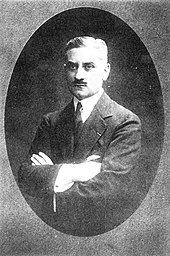
Jean-Baptiste Octave Landry first described the disorder in 1859.[55] In 1916, Georges Guillain, Jean Alexandre Barré, and André Strohl diagnosed two soldiers with the illness and described the key diagnostic abnormality—albuminocytological dissociation—of increased spinal fluid protein concentration but a normal cell count.[5][6][56]
C. Miller Fisher described the variant that bears his name in 1956.[10][57] British neurologist Edwin Bickerstaff described the encephalitis type in 1951 and made further contributions with another paper in 1957.[10][58][59] Guillain had reported on some of these features before their full description in 1938.[10] Further subtypes have been described since then, such as the form featuring pure ataxia and the type causing pharyngeal-cervical-brachial weakness.[10] The axonal subtype was first described in 1986.[60]
Diagnostic criteria were developed in the late 1970s after the series of cases associated with swine flu vaccination. These were refined in 1990.[4][61] The case definition was revised by the Brighton Collaboration for vaccine safety in 2009,[62] but is mainly intended for research.[4] Plasma exchange was first used in 1978, and its benefit was confirmed in larger studies in 1985.[63] Intravenous immunoglobulins were introduced in 1988, and studies in the early 1990s demonstrated that they were no less effective than plasma exchange.[63]
Research directions
The understanding of the disease mechanism of Guillain–Barré syndrome has evolved in recent years.[17] Development of new treatments has been limited since immunotherapy was introduced in the 1980s and 1990s.[17][63] Current research is aimed at demonstrating whether some people who have received IVIg might benefit from a second course if the antibody levels measured in blood after treatment have shown only a small increase.[11][63] Studies of the immunosuppressive drugs mycophenolate mofetil, brain-derived neurotrophic factor and interferon beta (IFN-β) have not demonstrated benefit to support their widespread use.[63]
An animal model (experimental autoimmune neuritis in rats) is often used for studies, and some agents have shown promise: glatiramer acetate, quinpramine, fasudil (an inhibitor of the Rho-kinase enzyme),[17] and the heart drug flecainide.[63] An antibody targeted against the anti-GD3 antiganglioside antibody has shown benefit in laboratory research.[17] Given the role of the complement system in GBS, it has been suggested that complement inhibitors (such as the drug eculizumab) may be effective.[63]
In animals it is called acute polyradiculoneuritis or "coonhound paralysis", and may onset in the coonhound 7 to 10 days after transmission from raccoons. If the coonhound has not been around raccoons, the disease is called acute idiopathic polyradiculoneuritis.[64][65]